***THE NEW MANIFESTO: Sustainable Haute Couture and Avant-Garde Silhouettes in the 2025 Post-Luxury Renaissance***
The era of the “algorithmic aesthetic” is dead. After a decade of logo-driven fatigue and the rapid-fire commodification of every “core” imaginable—from Gorp to Coquette—the fashion industry has reached a point of radical inflection. As we navigate the 2025–2026 cycle, we are no longer merely consumers; we have become collectors, historians, and environmental stewards.
Welcome to the **Post-Luxury Renaissance**: a seismic shift from the economy of “newness” to an economy of “rarity and rigor.” From the bioluminescent runways of Paris to the archival vaults of Tokyo, the message is clear: if it doesn’t have a soul, a story, or a survival strategy, it doesn’t belong in your closet.
### I. The Historian-in-a-Hoodie: The Rise of the Rarity Economy
The most potent status symbol of 2025 isn’t a bag with a waiting list; it’s a 1995 Mugler armor suit or a “deep pull” from the Claude Montana archives. We are witnessing the “Democratization of Knowledge,” where **digital fashion trends** born on platforms like Discord and TikTok have turned fashion history into a gamified social currency.
This shift is fueled by a sophisticated **Y2K fashion revival** that looks beyond kitsch, focusing instead on the era’s experimental construction and “rarity economy.” When Zendaya walks the red carpet in a 1952 Gilbert Adrian gown or a vintage piece from the **[Dior Runway Archive]**, she isn’t just wearing vintage; she is signaling cultural literacy. The collapse of traditional multi-brand retail has birthed a new “Soho House-style” of shopping—invitation-only, curated, and deeply intellectual.
### II. Defensive Complexity: Where Gorpcore Styling Meets the Atelier
As climate anxiety and social “polycrisis” become the backdrop of our lives, the industry has responded with **”Defensive Complexity.”** This serves as a vital bridge between the evolution of **Gorpcore styling** and the high-fashion “urban ninja” aesthetics of the tech-wear elite.
Leading this charge is the “Historian-in-a-hoodie” turned creative director, Peter Do. His work at Helmut Lang and his namesake label represents a “System of Dressing” where fashion acts as a mobile shelter. For those seeking the ultimate **quiet luxury capsule**, Do offers garments with “Haptic Utility”—think laser-cut precision seams and Dyneema fabrics that are literally stronger than steel, yet whisper-quiet in their execution. At Prada Linea Rossa and Post Archive Faction (PAF), the focus has shifted to “Actionable Luxury”—clothes you can kick in, breathe in, and survive in.
### III. The End of the Binary: Gender-Agnostic Glamour
The conversation around gender in fashion has matured. We have moved past the “unisex basics” of 2020 and into an era of **”Sartorial Gestures.”** Under the leadership of visionaries like Jonathan Anderson and Glenn Martens at **[Shop Maison Margiela]**, tailoring has become modular.
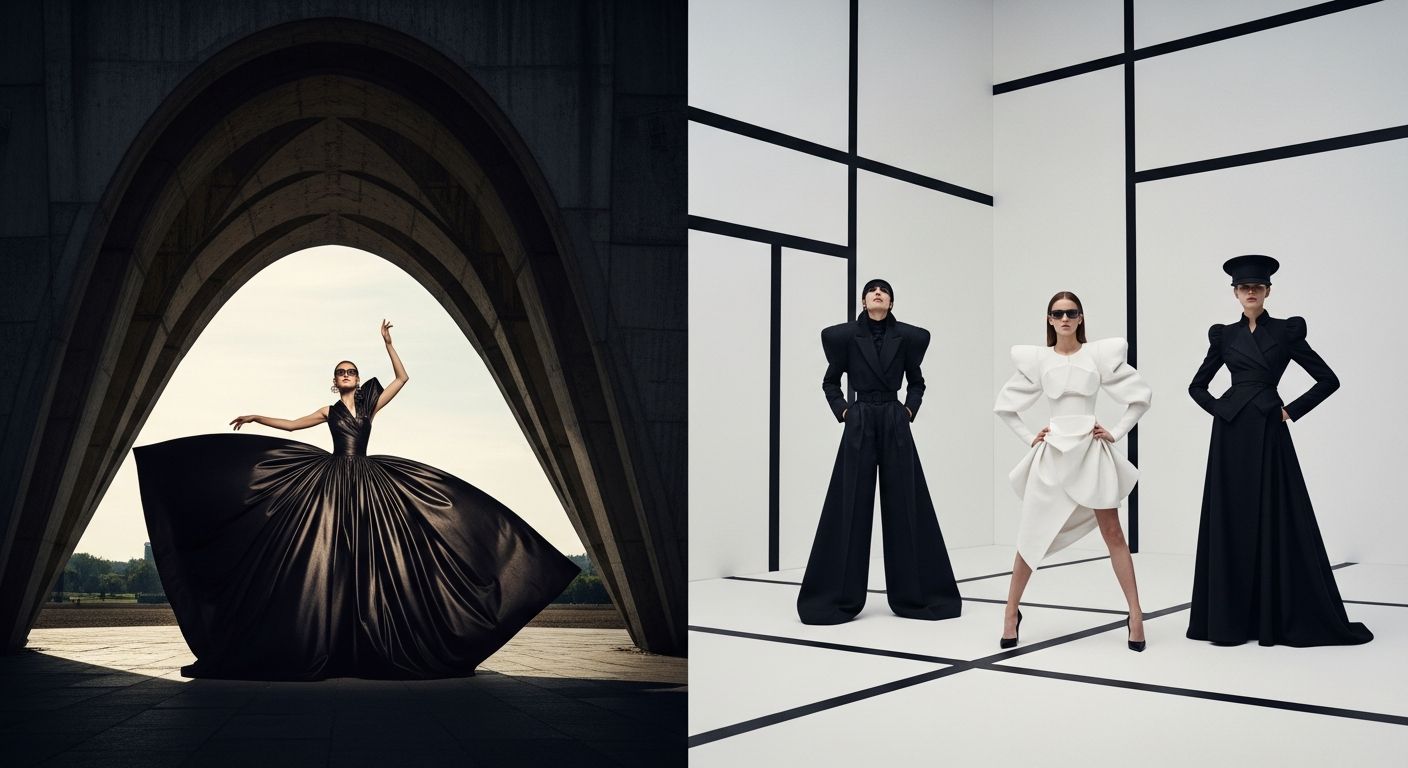
The “Sensuality Gap” is being bridged by reclaiming traditionally feminine codes—lace and pearls—within **avant-garde silhouettes**. Look to Lemaire’s wrap-closure blazers as the cornerstone of a **quiet luxury capsule** that transcends the binary. These are “anatomical neutrals” designed to fit a spectrum of identities, proving that the most modern way to dress is to ignore the labels on the rack entirely.
### IV. Living Textiles: The Sustainable Haute Couture Revolution
Perhaps the most breathtaking frontier is the merger of “hard science” with **sustainable haute couture**. As the EU’s Ecodesign regulations begin to bite, the industry’s elite are pivoting toward **”Regenerative Complexity.”**
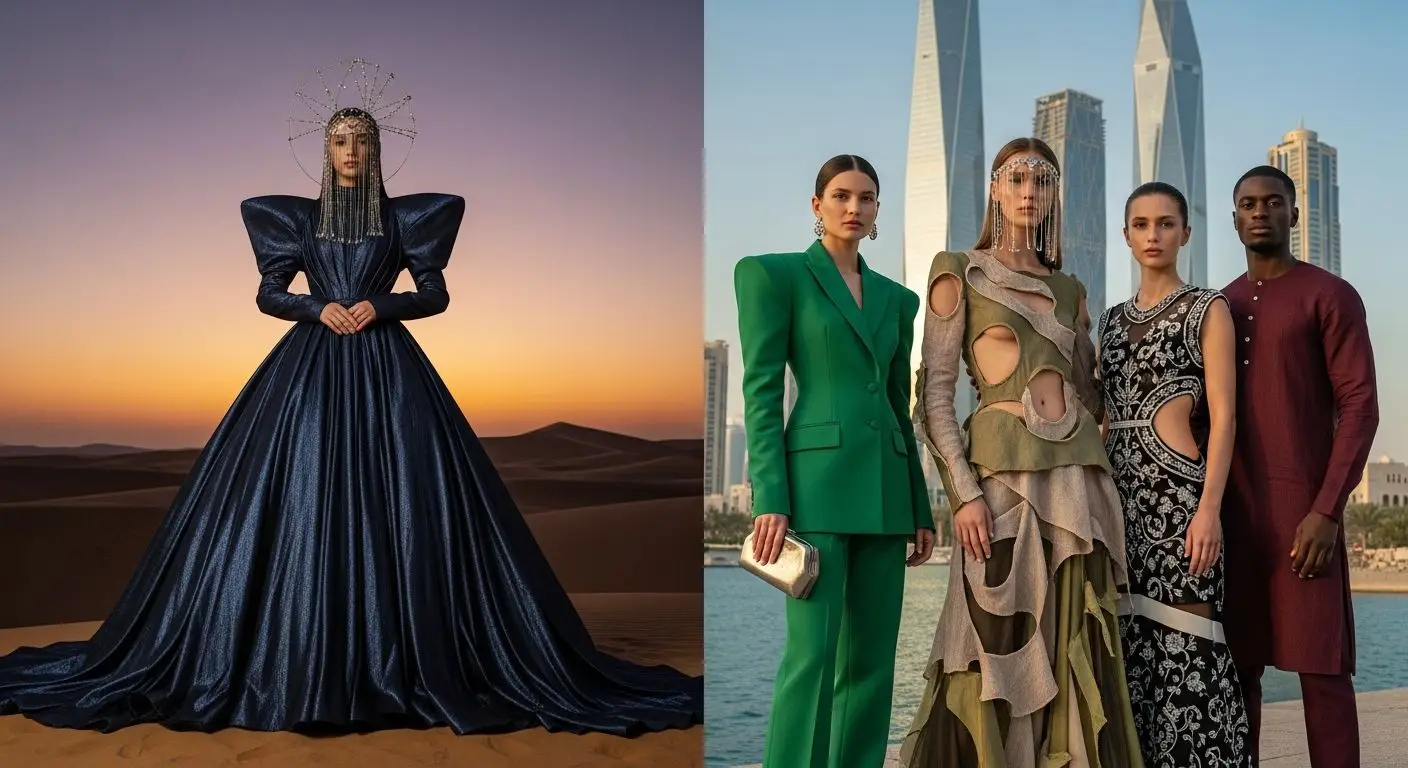
Iris van Herpen’s recent collaboration with Spiber, featuring bioluminescent microalgae and “brewed protein” silk, has set a new benchmark for “High-Maintenance Luxury.” These are “Living Textiles”—garments that require a biosphere, that photosynthesize, and that challenge the very notion of couture’s permanence. The most forward-thinking pieces of 2026 are designed to be composted or melted down, defining luxury by the intelligence of the structure rather than the weight of the gold.
### V. The Subversive Verdict: The “Frankenstein” Aesthetic
If there is a single styling strategy for the year ahead, it is the **”Frankenstein Aesthetic.”** This involves a “Structural Subversion”—the intentional clashing of the archival and the avant-garde.
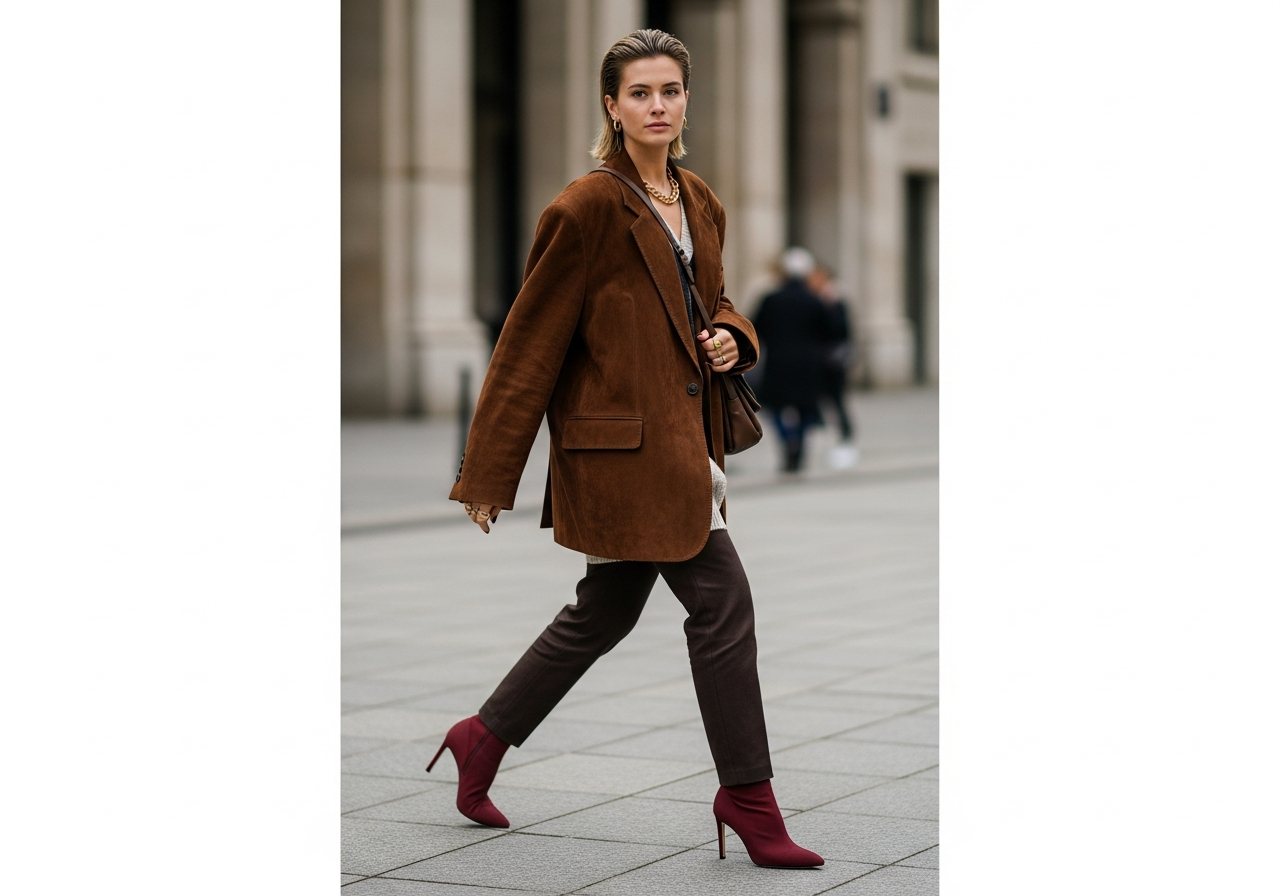
Pair a 1980s oversized wool blazer with 3D-printed biodegradable resins. Anchor a shredded DIY band tee with a couture skirt made of “BioSequins” derived from tree cellulose. This is what the youth culture movements on TikTok are calling “Subversive Substance.” It is a rejection of the “fast-fashion-to-landfill” pipeline in favor of garments that act as manifestos.
—
### **Editor’s Picks: The Luxury Vintage Curation**
*Curated investment pieces for the archive-obsessed collector.*
* **The Grail:** [1990s Mugler “Couture” Blazer] – A cornerstone of the **Y2K fashion revival**.
* **The Essential:** [Lemaire Croissant Bag in Coated Linen] – The heart of any **quiet luxury capsule**.
* **The Tech-Piece:** [Post Archive Faction (PAF) 5.0 Technical Trousers] – The evolution of **Gorpcore styling**.
* **The Statement:** [Maison Margiela Tabi Boots in Recycled Rubber] – **Avant-garde silhouettes** meet eco-conscious design.
—
**Editorial Verdict:** In 2025, the most subversive thing you can wear is something that has been purposefully deconstructed, personally modified, and technically perfected. The “Post-Luxury” world isn’t about looking back; it’s about using the fragments of the past and the technology of the future to build a more intellectually rigorous and fluid present. **Choose your story wisely.**